
Outdoor Learning at its very best
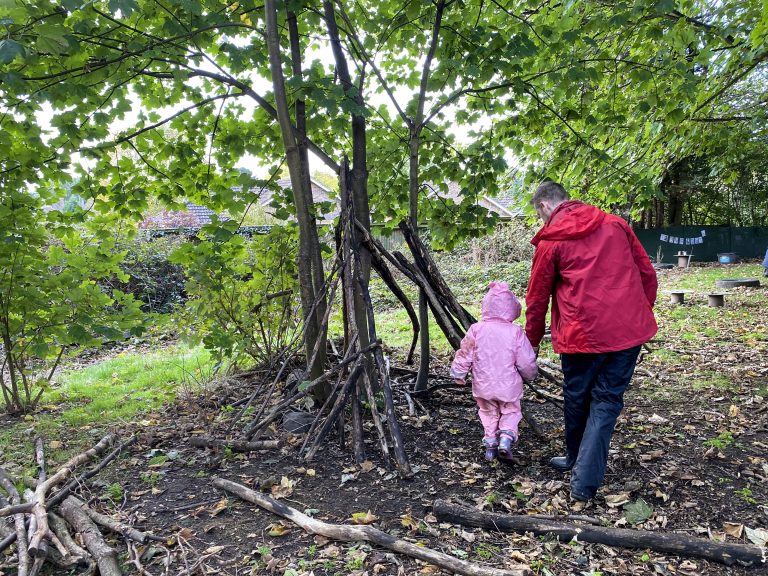
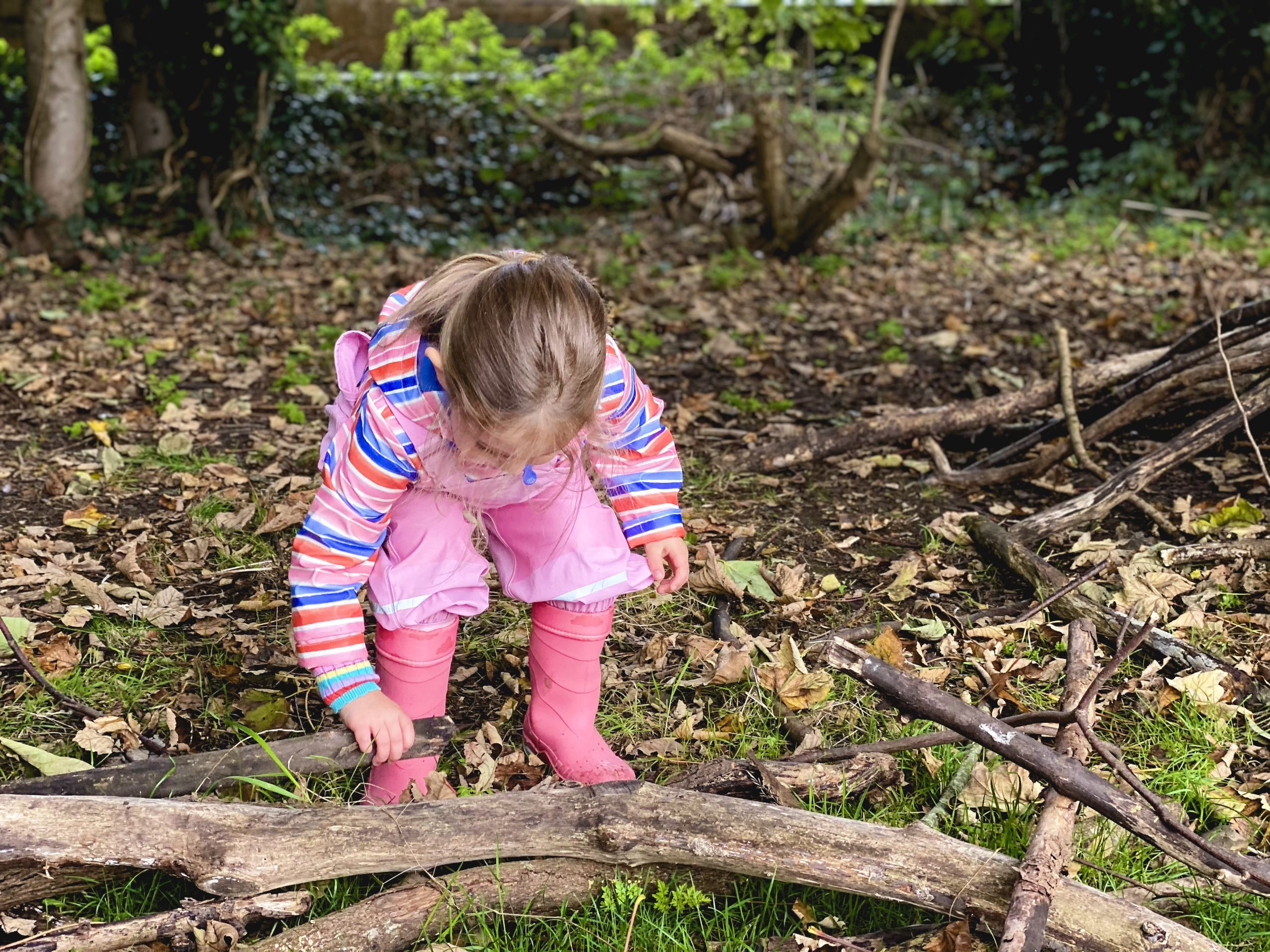
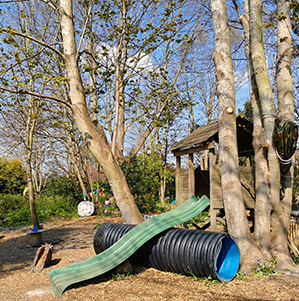
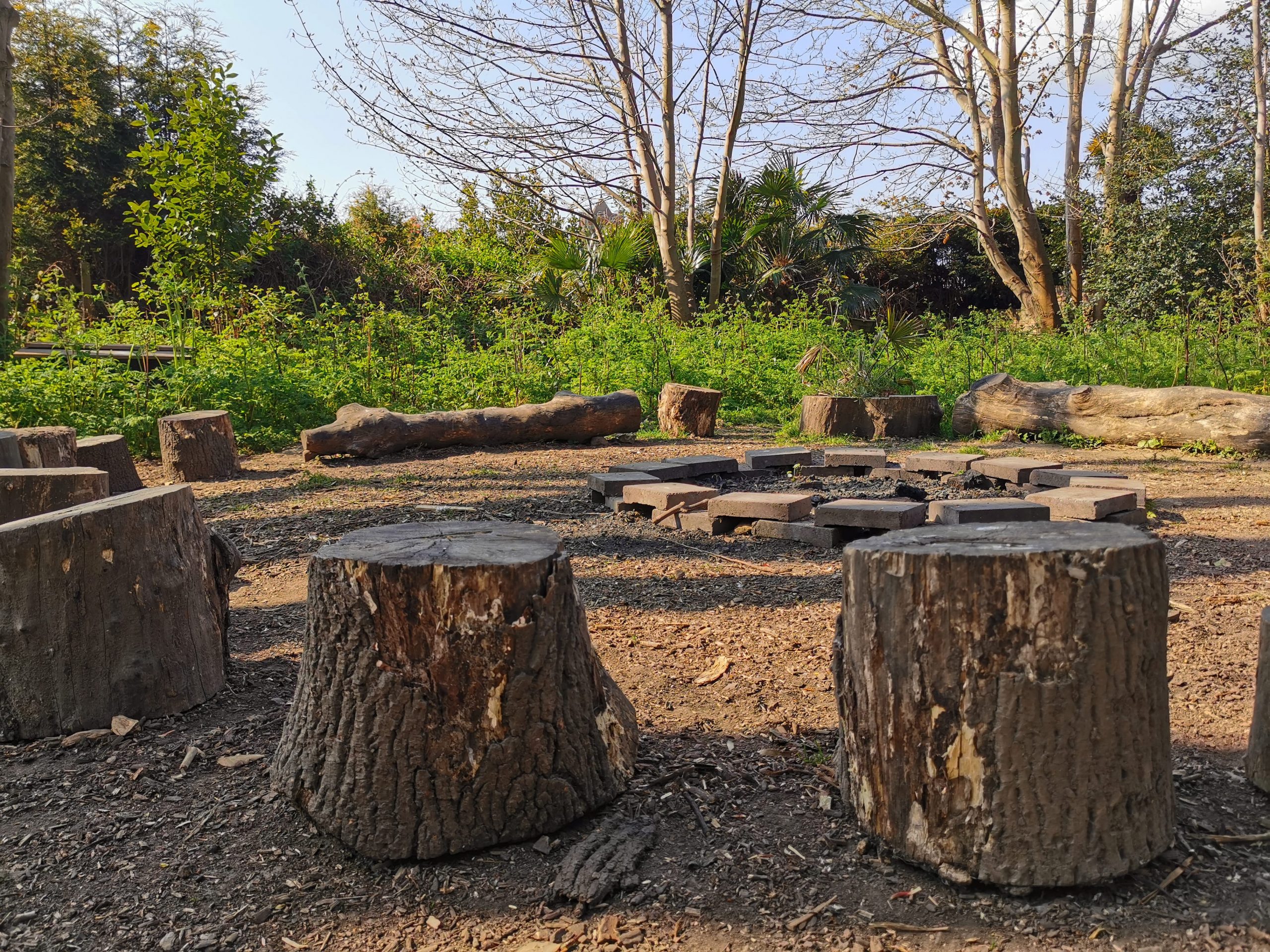
Forest School is supervised and planned for by our Forest School leader in our own extensive woodlands and gardens. It gives opportunities for the children to engage with nature and get outdoors in all weathers. We have achieved The Woodland Trust Award in 2025!
Through Forest School, the children can observe the changing seasons while developing confidence and independence. In addition, they can practice their problem-solving and teamwork skills whilst being involved in hands-on activities. These activities will often be cross-curricular or include a focus on a particular area of the children’s learning, for example:- maths, literacy, or creativity.
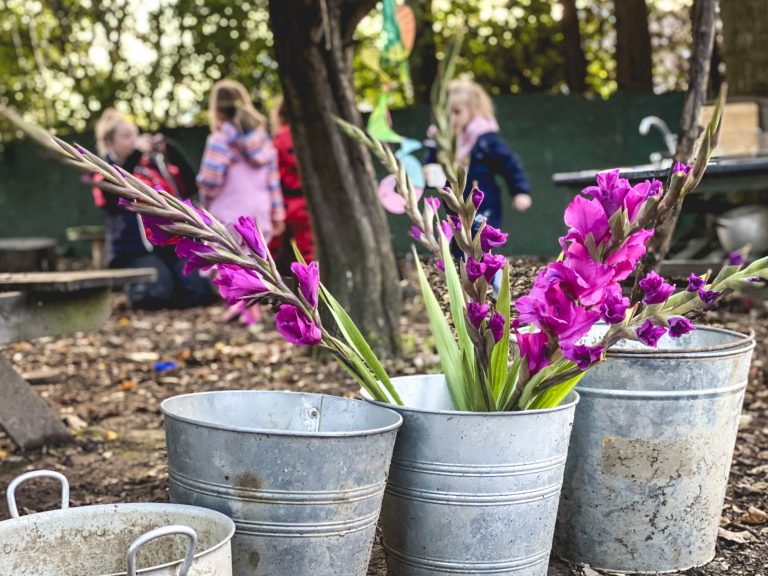
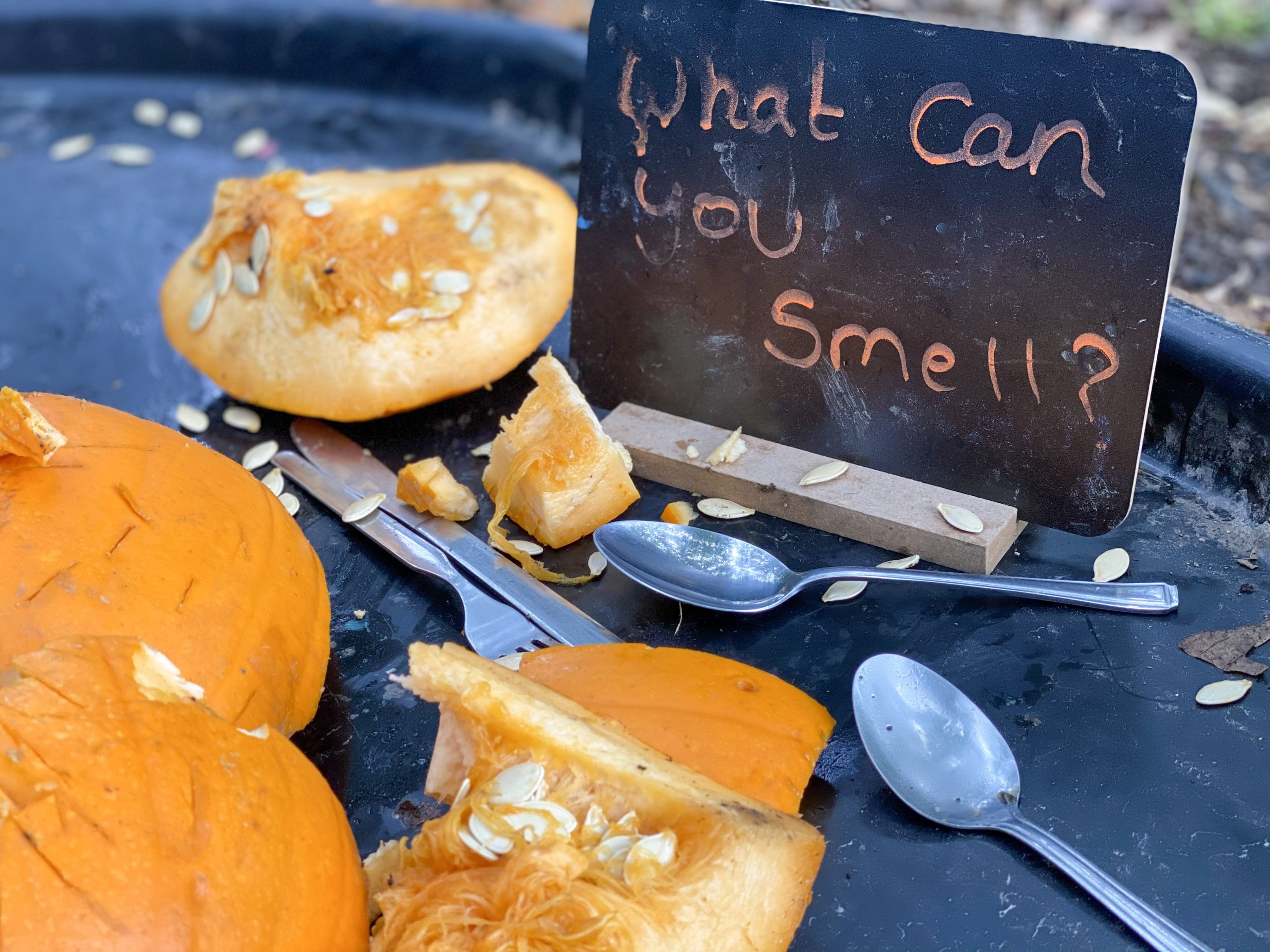
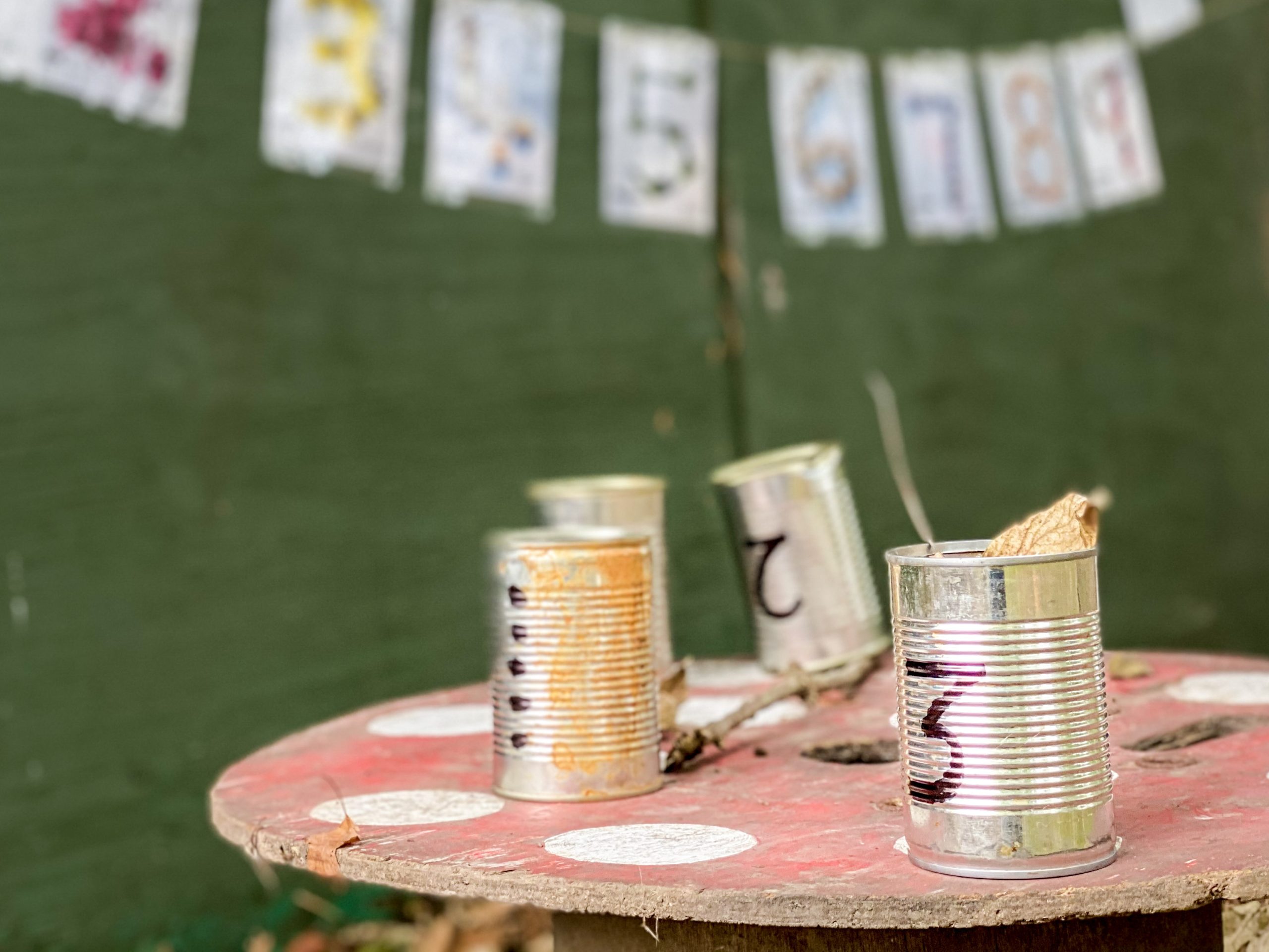
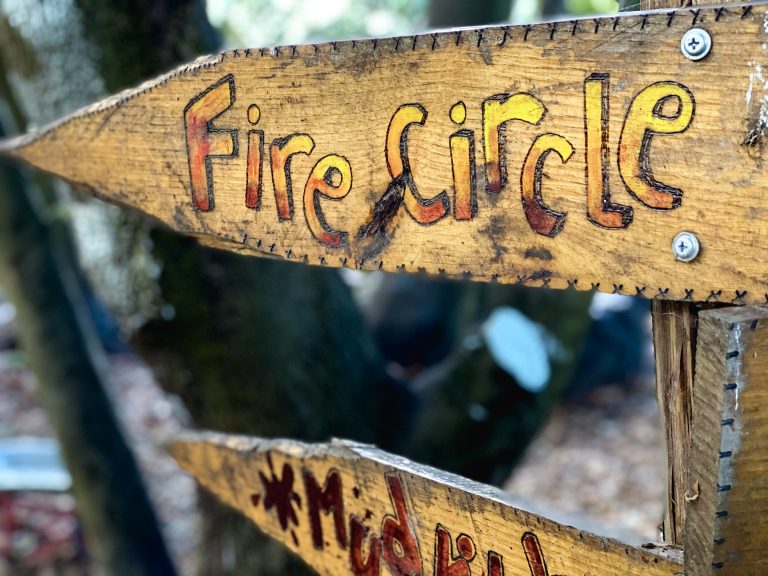
The activities often involve story-telling and ‘treasure’ hunts in the woodland environment and engage the children by using natural resources to construct and make items such as pinecone creatures, mud people, leaf rubbings, a wormery, or ladybirds from little log offcuts! The older children learn how to make fire, but they all learn the safety rules for playing safely and how to move around the fire circle.
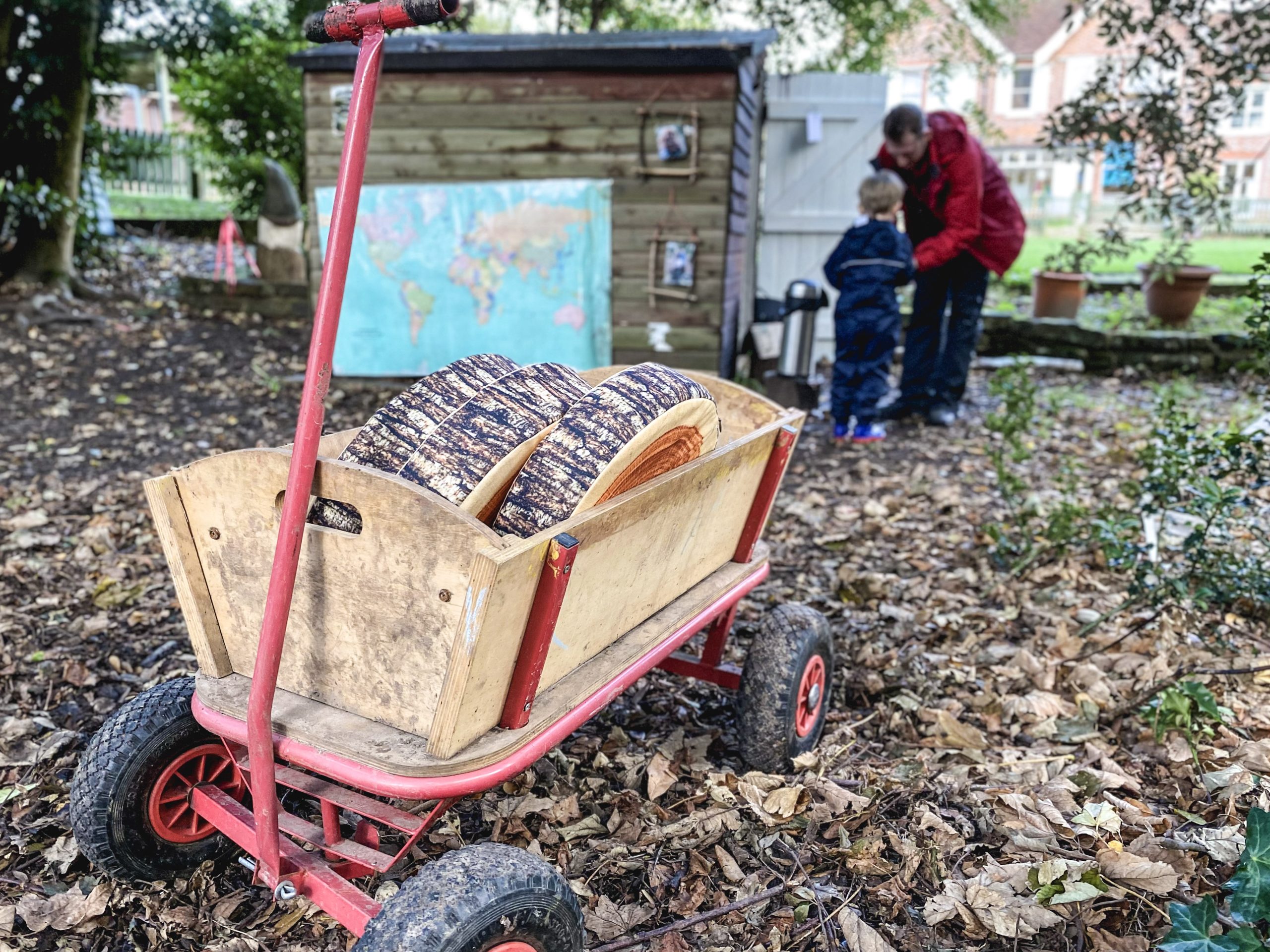
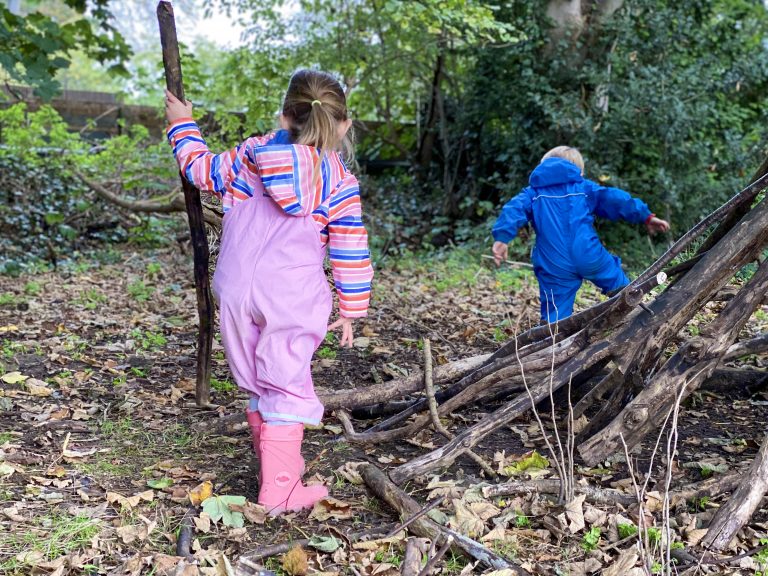
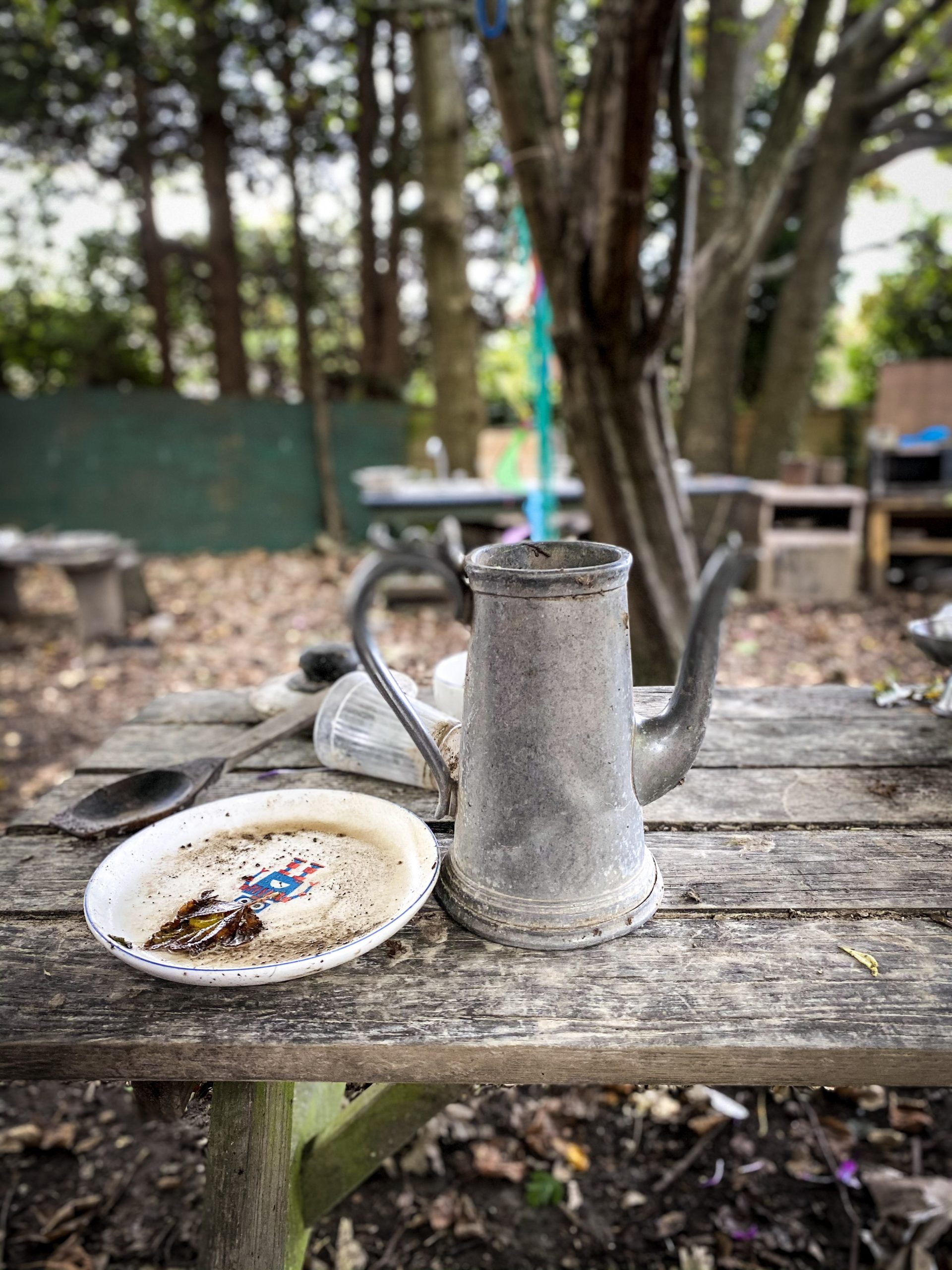
As well as structured activities the children also have time to choose to play in the mud kitchen, the puppet theatre, dig for worms or look for minibeasts, or to play with wheelbarrows, garden tools, and build dens. In a word – they have FUN!
Forest School clothing for all seasons 👕 👖 🥾 🧤 🧦
Forest school sessions will run for 1½ to 2 hours on their days, so it really helps when the children are equipped with the right clothing to help extend their play and time outdoors 🌳
Summer
- Comfortable trousers – jogging bottoms or leggings.
- Long-sleeved t-shirt for protection against stings, scratches, bug bites, and sunburn.
- Jumper or a lightweight fleece jacket – just in case. A zip-up one makes it easier to get on and off.
- Socks.
- Sturdy shoes that you do not mind getting muddy. No open-toe sandals or flip-flops.
- Waterproofs – unlined, for the wet summer days.
- Sun hat and sun cream.
- SPARES – always pack a spare set of clothing, even in the summer, especially socks and trousers (more than one set if toilet training).
Spring & Autumn
- Waterproofs – puddle suit or separate coat and trousers (waterproof).
- Comfortable trousers – jogging bottoms or leggings.
- Long-sleeved t-shirt.
- Jumper or fleece jacket – for warmer days, pack a lightweight fleece.
- Light warm jacket – for the backpack, just in case it is a colder day.
- Two pairs of socks – wear thin cotton socks underneath thick wool socks.
- Sturdy shoes or wellies – footwear that you do not mind getting muddy.
- SPARES – pack a spare set of clothing, especially socks and trousers (more than one set if toilet training).
Winter
- Base layers – thermal vest, thermal long-sleeve top, and thermal leggings.
- Warm trousers – fleece-lined or warm tracksuit bottoms.
- Long-sleeved top.
- Warm jumper – a wool jumper or fleece.
- Warm jacket – for the backpack, just in case it is a colder day.
- Hat, scarf, and gloves.
- Two pairs of socks – wear thin cotton socks underneath thick wool or thermal socks on top.
- Sturdy boots – walking boots, muck boots, or wellington boots, something that has a thermal liner which will help keep feet warm.
- Winter waterproofs – a fleece-lined puddle suit or a fleece-lined two-piece rain set to wear over the layers listed above.
- Waterproof winter mittens.
- SPARES – pack a spare set of clothing, extra jumpers, gloves, socks, and trousers (more than one set if toilet training).
We are very proud that our Forest School have been awarded The Woodland Trust Gold Award 2025!